Fan systems
Inlet, outlet and duct-path treatment for industrial fans and air-moving equipment.
Ventilation and equipment silencers
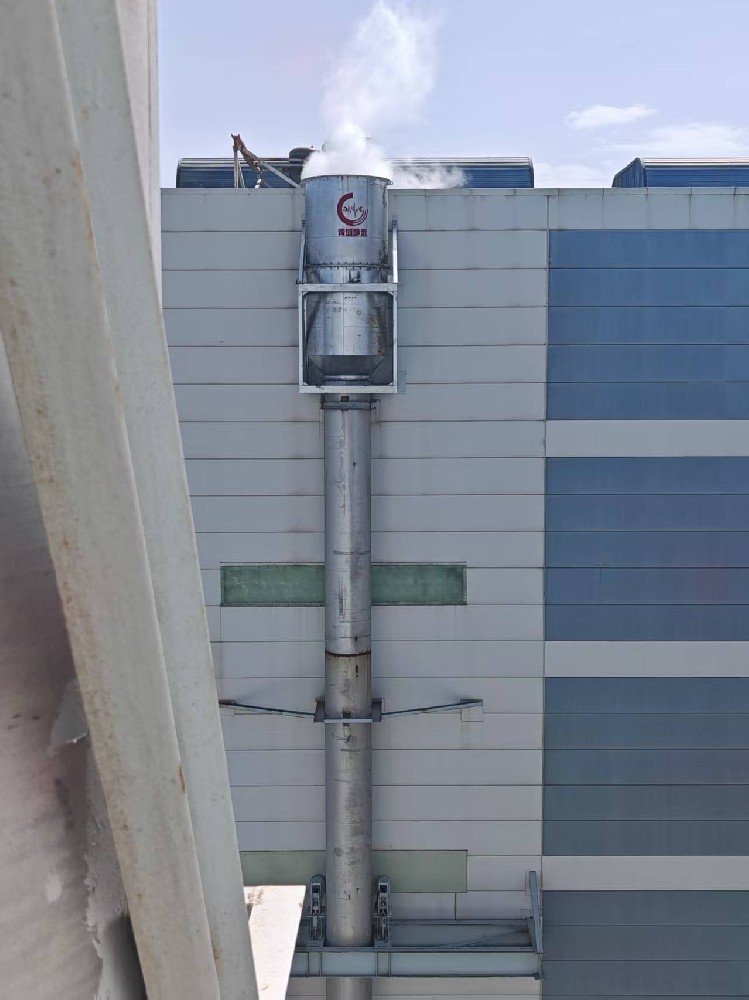
Application-specific silencers for fans, duct systems, vents and controlled discharge points.
Request silencer sizingApplication scope
Airflow, duct size, temperature, pressure loss and the dominant noise path all influence the silencer selection and internal arrangement.
We review the installation point and project requirements before recommending a configuration. This helps avoid treating acoustic performance as separate from fan performance or maintenance access.
Typical applications
Inlet, outlet and duct-path treatment for industrial fans and air-moving equipment.
Silencer sections integrated into supply, exhaust and transfer-air routes.
Application-specific silencing at high-noise discharge and relief points.
Noise-control additions planned around existing ductwork and space constraints.
Design inputs
Silencer internal geometry can affect both noise reduction and pressure loss. The engineering review should balance acoustic targets, fan duty, available space, cleaning access and material requirements.
Need help defining the silencer scope?